
The Highway Code: the rules of the road in Great Britain
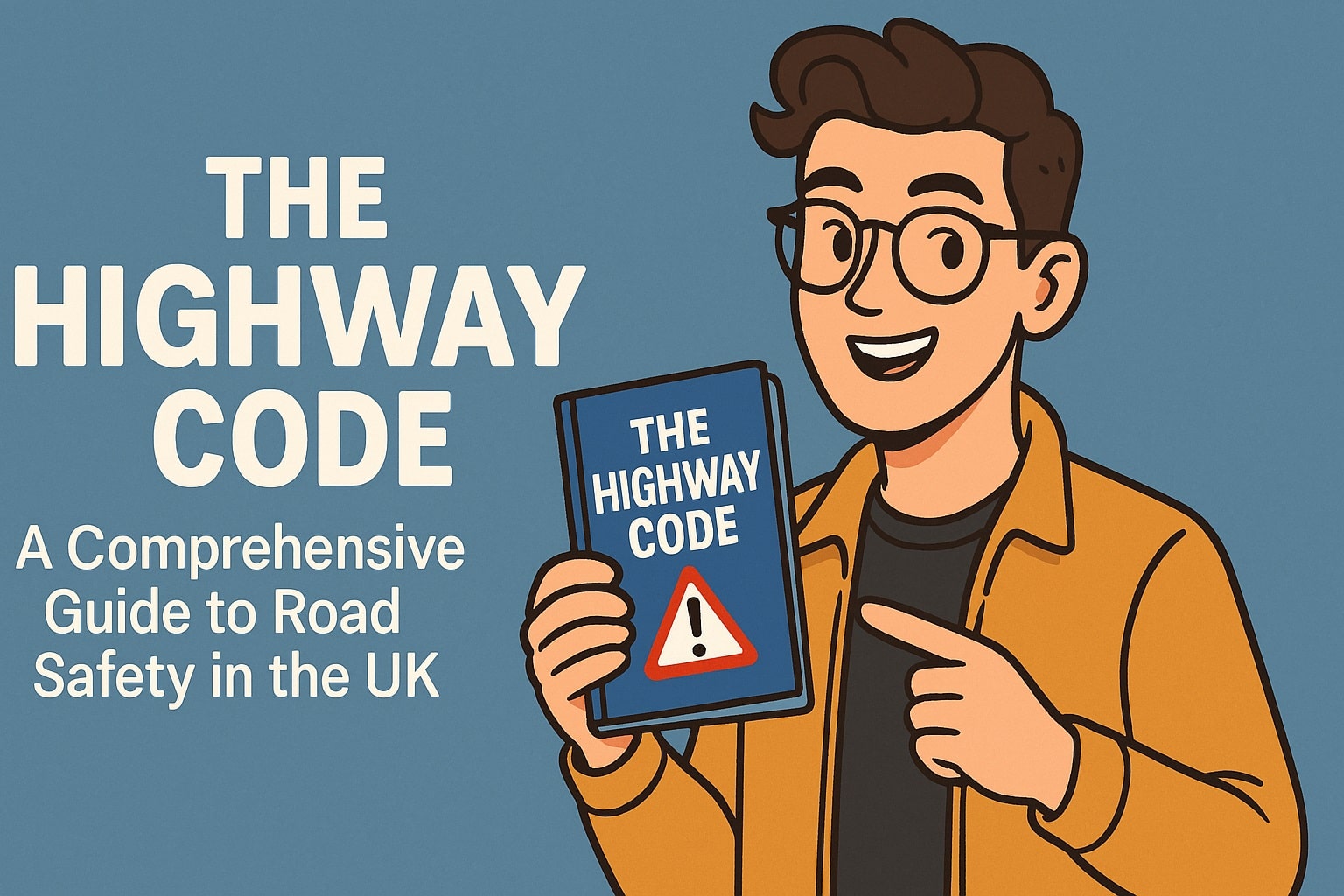
The Highway Code is the official guide to the rules of the road in England, Scotland and Wales. Northern Ireland has its own version, the Highway Code for Northern Ireland. The first edition came out on 14 April 1931, and the Code has been updated many times since to keep up with new vehicles, new roads and new safety advice.
The Highway Code is for every road user, including:
- pedestrians
- users of powered wheelchairs and mobility scooters
- people in charge of animals, such as horse riders
- cyclists
- motorcyclists
- drivers
Its numbered rules cover walking, cycling, riding and driving, using the road, road users who need extra care, bad weather, waiting and parking, motorways, breakdowns and incidents, road works, level crossings and tramways. After the rules come sections on:
- light signals controlling traffic
- signals to other road users
- signals by authorised persons
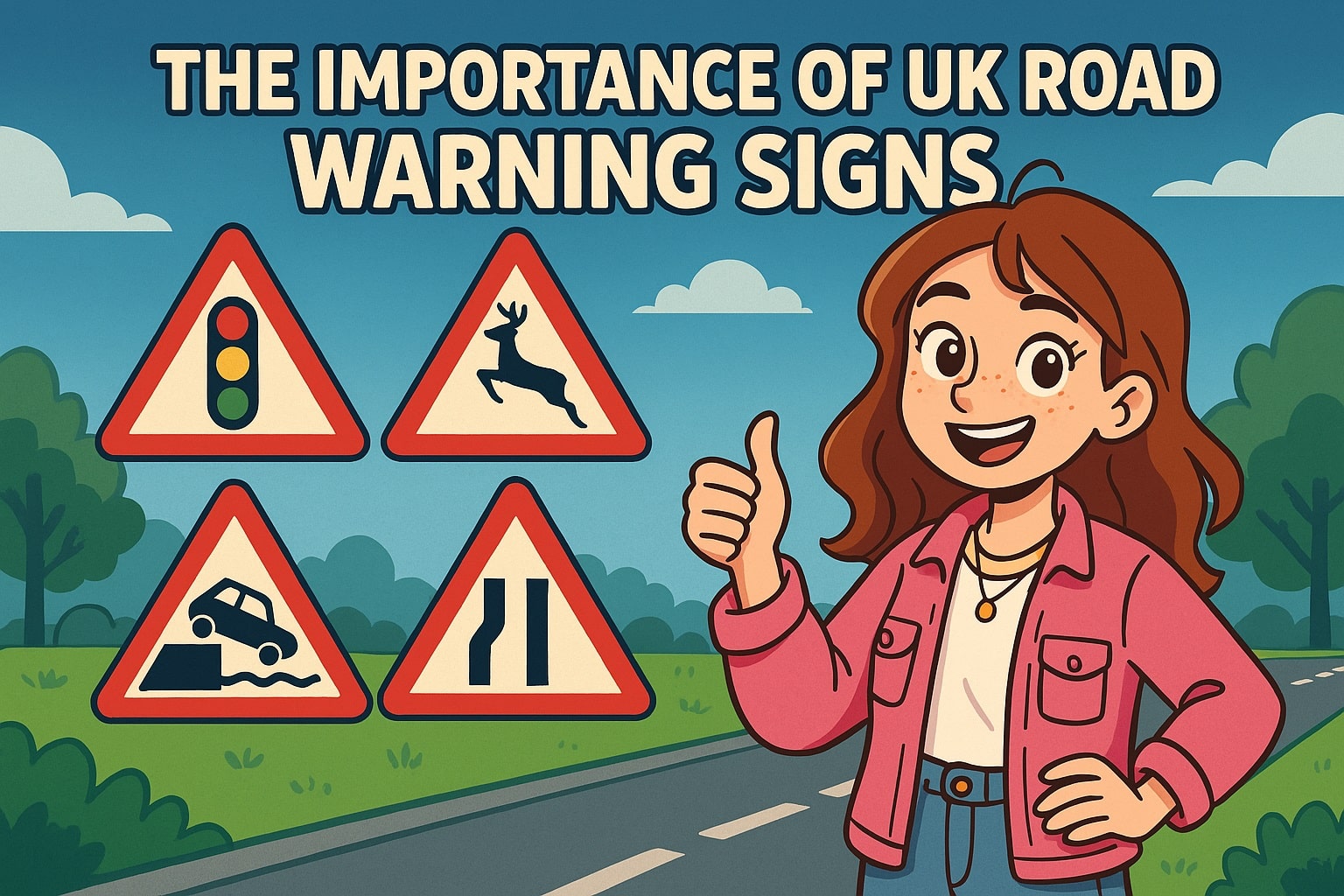
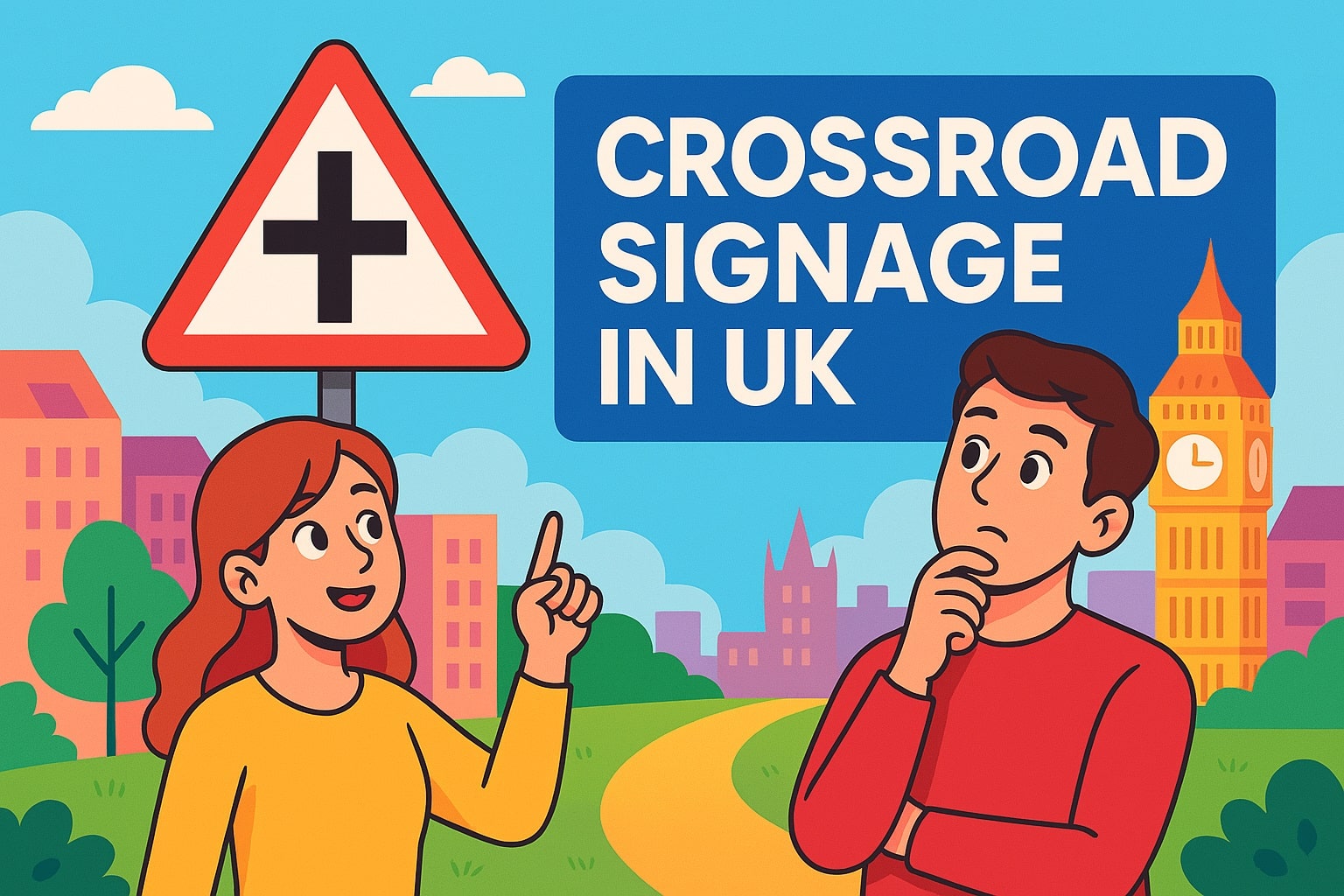
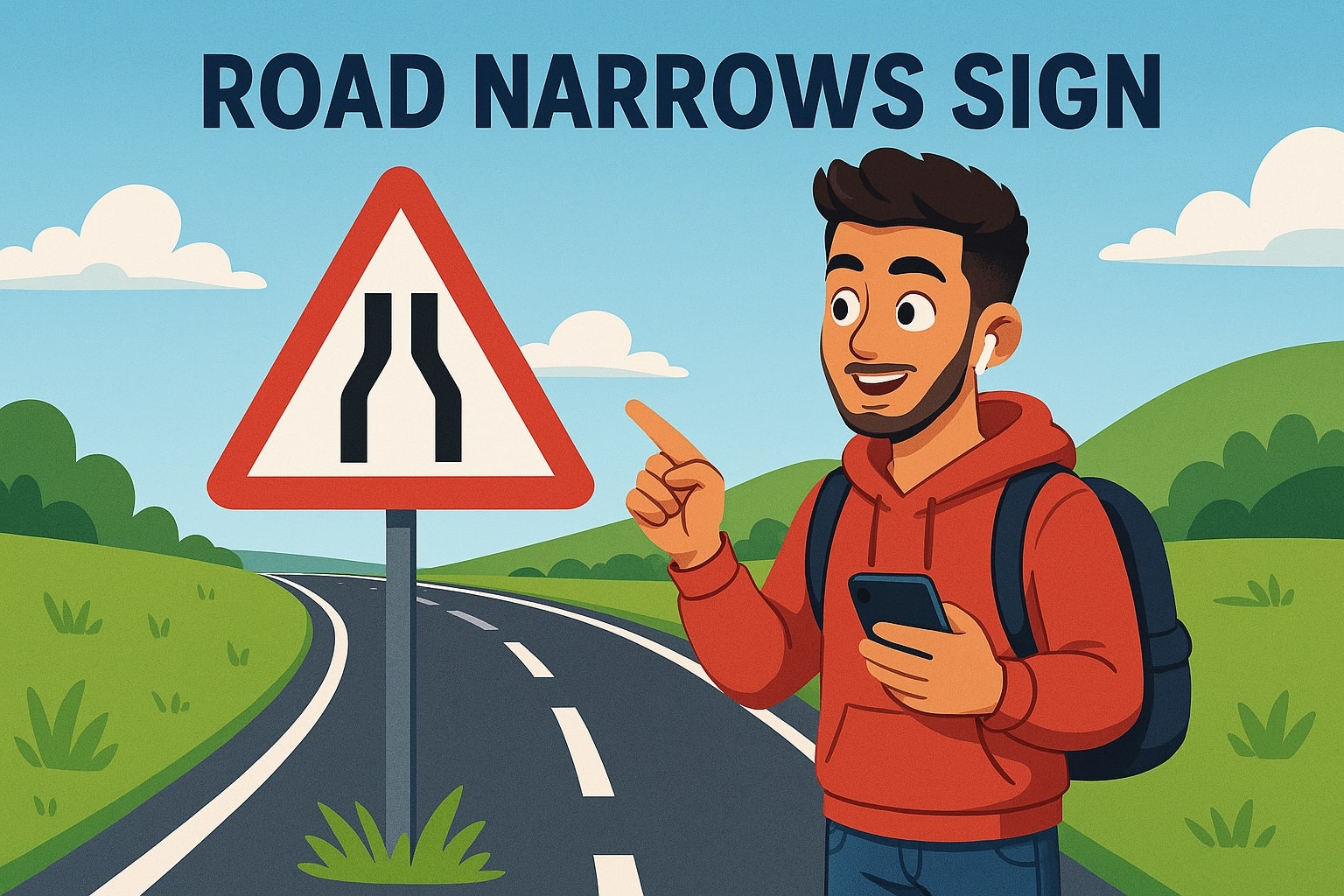
- traffic signs
- road markings
- vehicle markings
At the end are 8 annexes:
- you and your bicycle
- motorcycle licence requirements
- motor vehicle documentation and learner driver requirements (see our guide to getting your licence)
- the road user and the law
- penalties
- vehicle maintenance, safety and security
- first aid on the road
- safety code for new drivers
Which rules are the law
Rules that use the words MUST or MUST NOT are legal requirements. If you break one, you commit a criminal offence: you can be fined, given penalty points or disqualified from driving, and in the most serious cases sent to prison.
Rules that use words such as "should" or "do not" are advice. Breaking advice is not an offence in itself, but a court can use the Highway Code as evidence in any case under the Traffic Acts, for example to decide who was to blame for a crash.
How the Highway Code began and changed
When the first Highway Code came out in 1931, there were just 2.3 million motor vehicles in Great Britain, yet more than 7,000 people were killed in road collisions each year. The first edition cost one old penny and had 18 pages of advice. More than a third of the 24-page booklet showed hand signals, and it did not mention mirrors at all.
Some milestones since then:
- 1934: Belisha beacons began to mark the new pedestrian crossings.
- 1935: the driving test became compulsory on 1 June, and a 30 mph speed limit came in for urban areas.
- Second edition: the first diagrams of road signs, 10 in all, and a warning about driving when affected by alcohol or tiredness.
- Third edition: stopping distances appeared for the first time.
- 1954: colour pictures, first aid advice on the back cover and the first triangular warning signs.
- Fifth edition: a new section on motorway driving, after the Preston bypass, the first stretch of motorway, opened in December 1958 and the M1 opened in November 1959.
- 1978: the Green Cross Code for pedestrians.
- 1996: the theory test began, replacing the Highway Code questions that used to be asked during the practical test.
- 29 January 2022: the hierarchy of road users, which says that those who can cause the greatest harm have the greatest responsibility to reduce the danger they pose to others.
The Highway Code today
Hundreds of thousands of copies are sold each year, and you can read the whole Code free on GOV.UK. It now covers modern risks, such as using a hand-held mobile phone while driving, which you MUST NOT do (rule 149), and driving after taking drugs (rule 96).
Why the Highway Code matters for learners
The multiple-choice questions in the theory test are based on 3 books, and the Highway Code is one of them. Know your traffic signs is another. Learning the Code is the best way to prepare for the test, and it keeps you safe after you pass.
Whether you drive, ride, cycle or walk, knowing the Highway Code helps you stay safe and stay within the law. Read the latest version of The Highway Code on GOV.UK.